

This Writing Graphic Organizer Worksheet helps 2nd graders plan informative writing by choosing a topic, listing three facts, and adding a closing sentence. A simple, no-prep planning page for confident, organized young writers.

A kindergarten characters, settings, and events worksheet that helps young readers identify story elements—who is in a story, where it happens, and what happens—using a simple three-column graphic organizer for retelling any story.

This who what when where why graphic organizer worksheet helps 3rd graders record the five key details — who, what, when, where, and why — from any story or article. A clear, reusable note-taking template.

A characters, settings, and big events worksheet for 1st Grade: students read a short story, then draw and write the characters, setting, and big event in a simple organizer. Answer key included for quick, no-prep story elements practice.
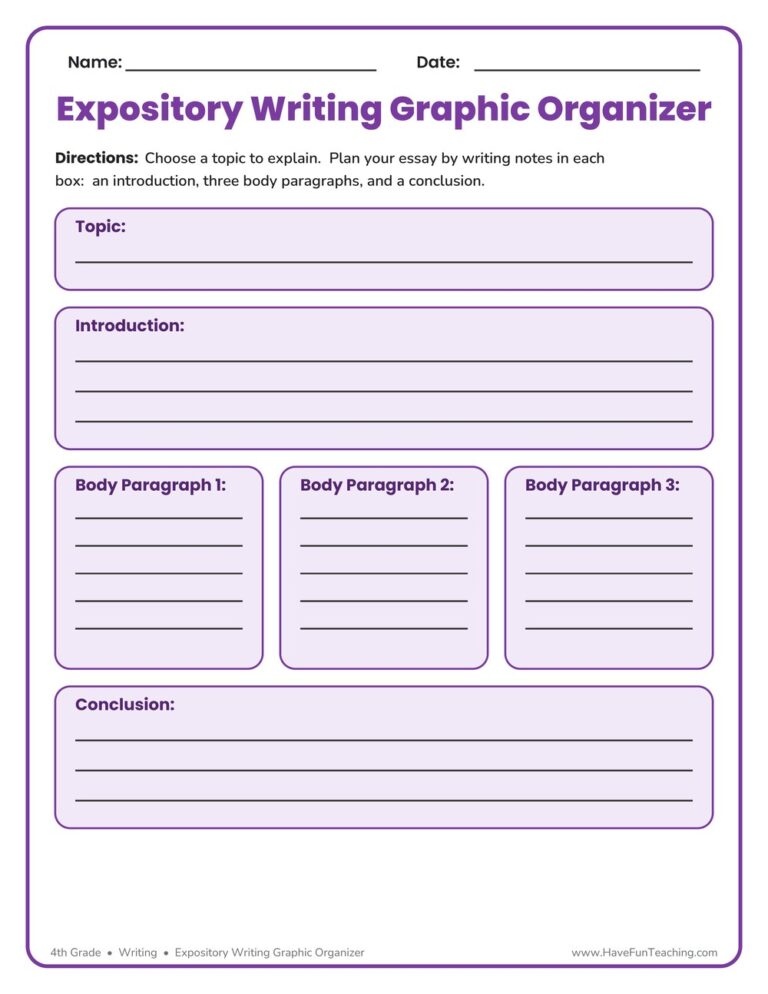
This expository writing graphic organizer worksheet helps 4th grade students plan an informational essay with boxes for a topic, introduction, three body paragraphs, and a conclusion — an easy, no-prep way to organize ideas before drafting.
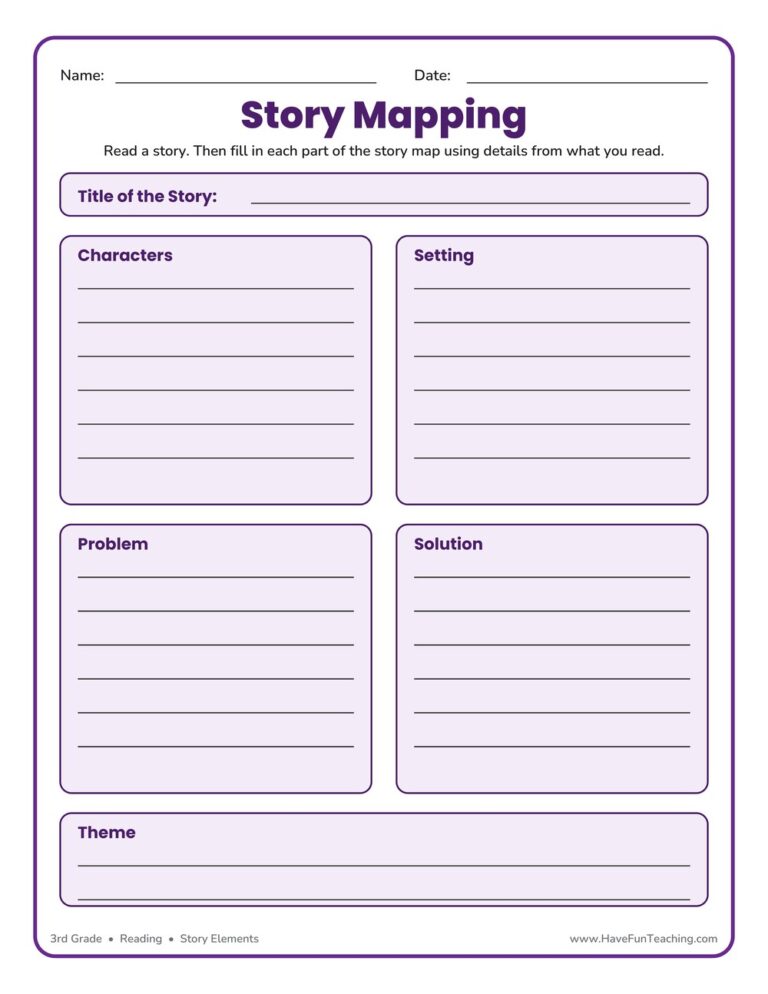
This 3rd grade Story Map Graphic Organizer Worksheet has students record a story's characters, setting, problem, solution, and theme in one clear, reusable page that strengthens reading comprehension.
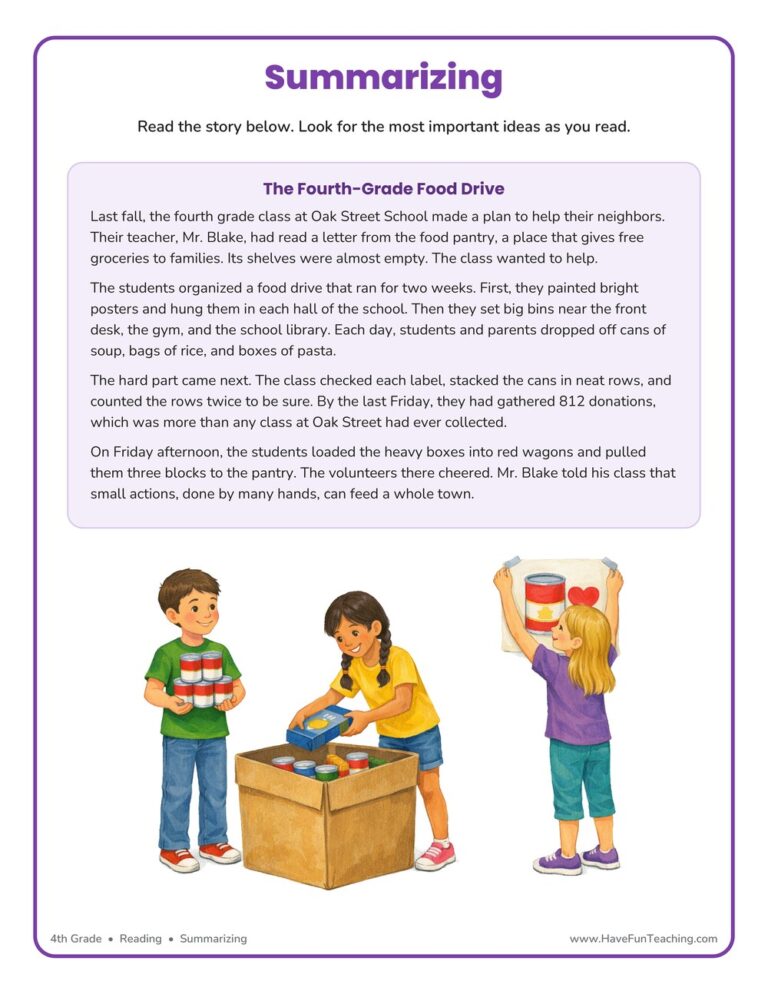
This Summarizing Worksheet asks 4th graders to read an original story, map it on a who, what, where, when, and how organizer, then write a short summary. Answer key included for fast, no-prep practice.
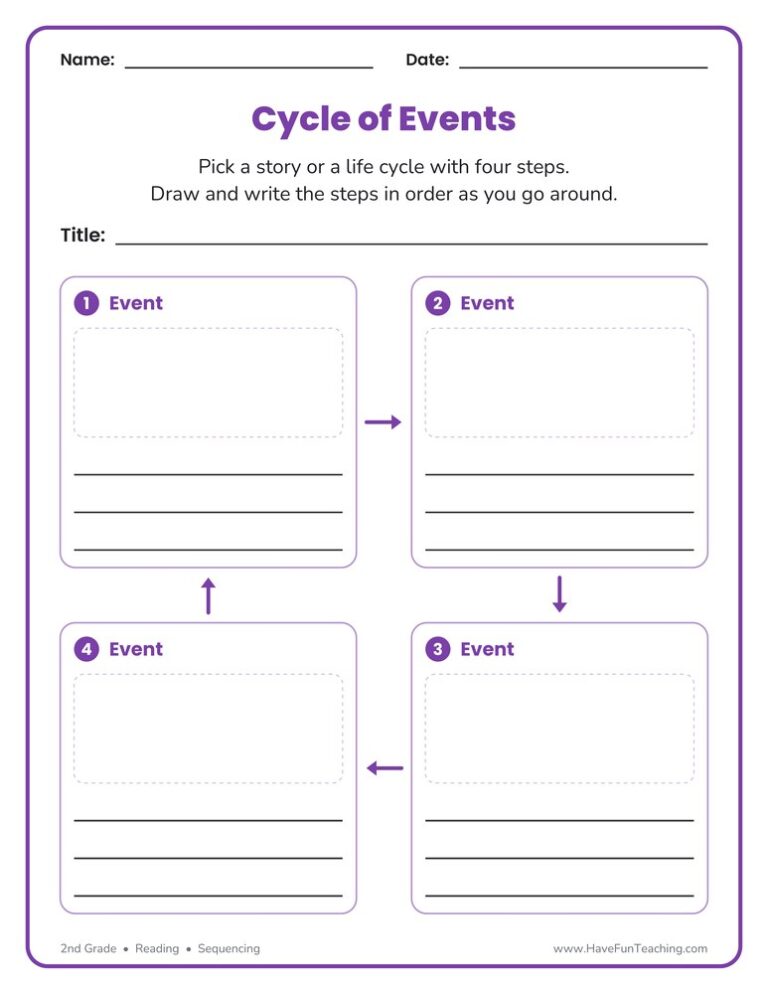
This sequencing graphic organizer worksheet helps 2nd Grade students draw and write the four steps of a story or a life cycle in order, building strong retelling and sequencing skills.
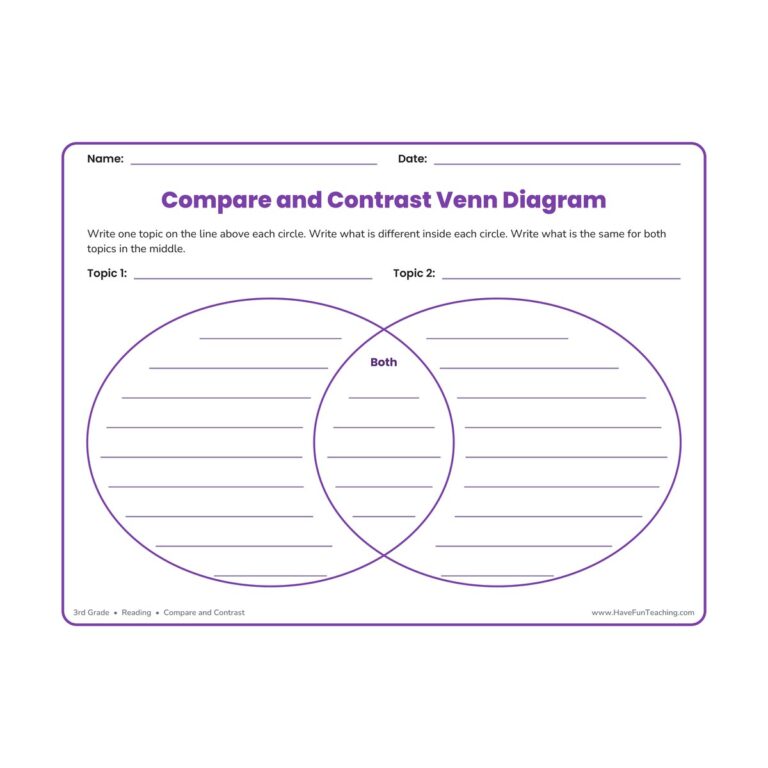
This blank Venn diagram graphic organizer worksheet gives 3rd grade students two roomy circles and a shared middle for comparing any two topics, so their thinking is sorted out before they write.

A Who What When Where Why Summary Graphic Organizer Worksheet that walks 3rd graders from a short story to the five W answers and on to a written summary. Answer key included, so students get quick feedback and real confidence.

A reusable What I Read What I Know Inference Graphic Organizer Worksheet that walks 3rd grade readers from text clues to background knowledge to a written inference. Use it with any book, all year long.
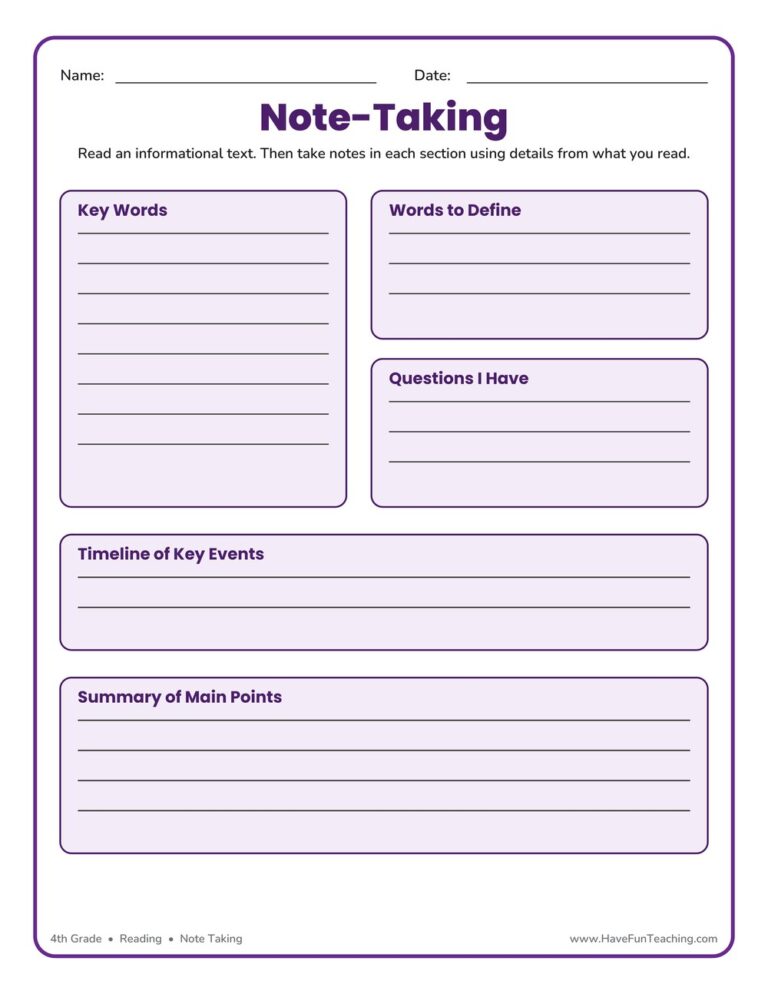
This Informational Text Note-Taking Worksheet gives 4th grade readers a five-section graphic organizer for recording key words, vocabulary, questions, a timeline, and a summary from any nonfiction text — a no-prep tool for building stronger comprehension.

This comparing and contrasting venn diagram worksheet has 3rd grade students sort eight facts about apples and oranges into a labeled Venn diagram, then write two comparison sentences. Answer key included.
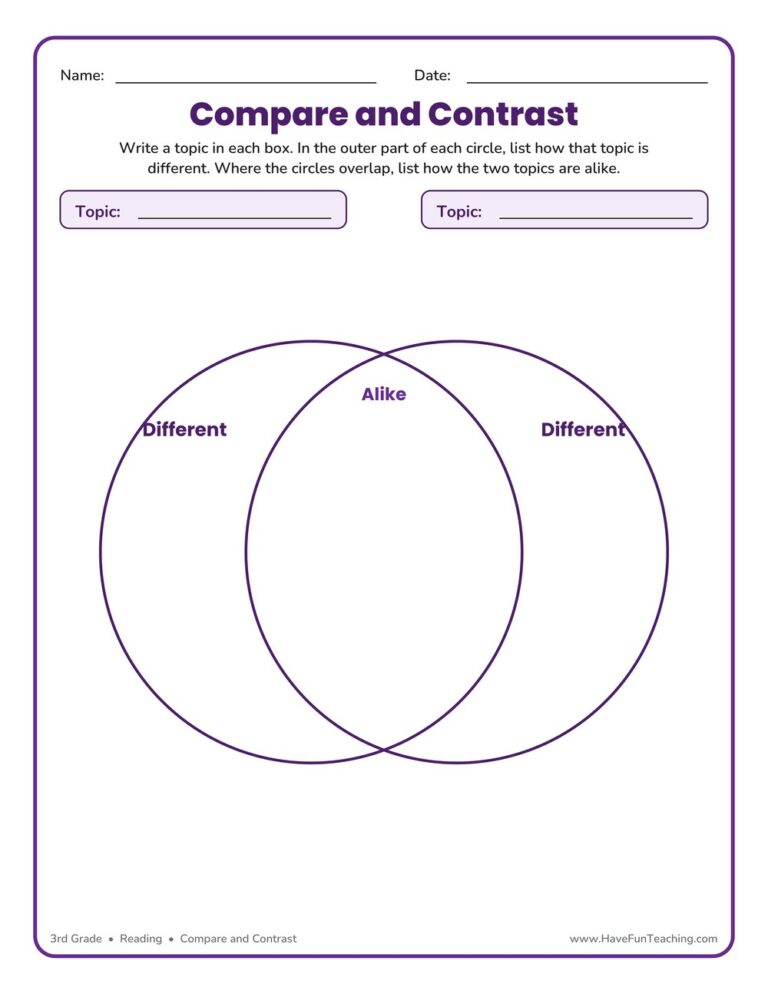
This Compare and Contrast Topics Graphic Organizer Worksheet gives 3rd graders a large Venn diagram to sort how two topics are alike and different. A flexible, no-prep reading tool for any two subjects at home or school.
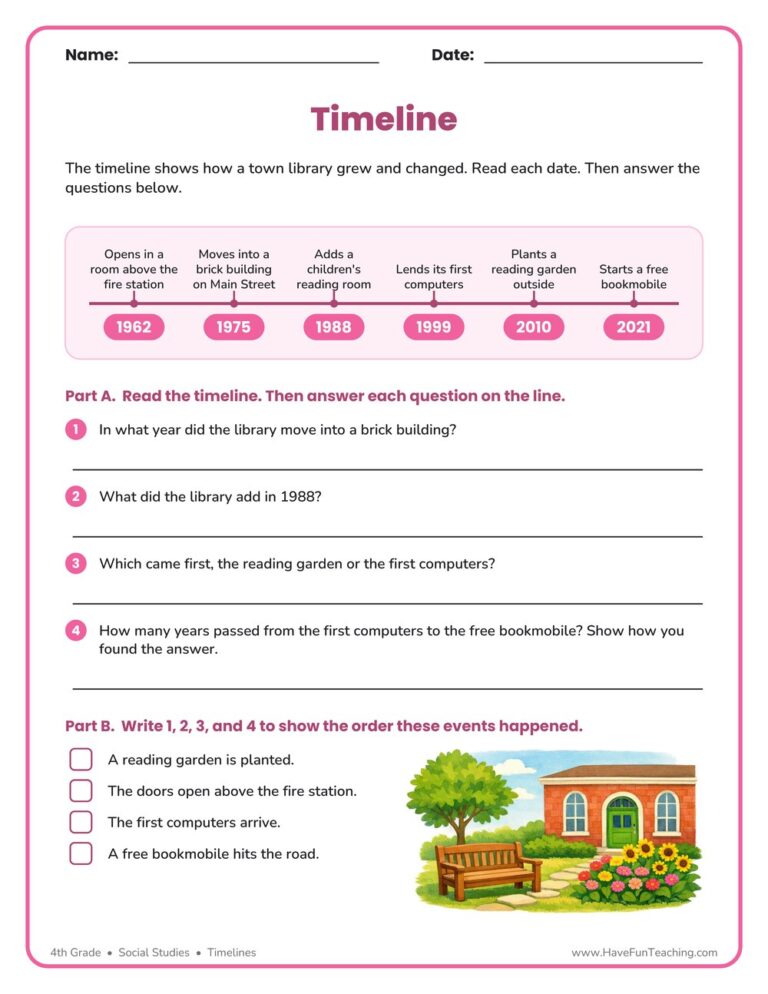
This timeline worksheet gives 4th graders a six-event town library timeline to read, question, and put in order. Answer key included, so students get real practice reading dates and events with no prep at all.
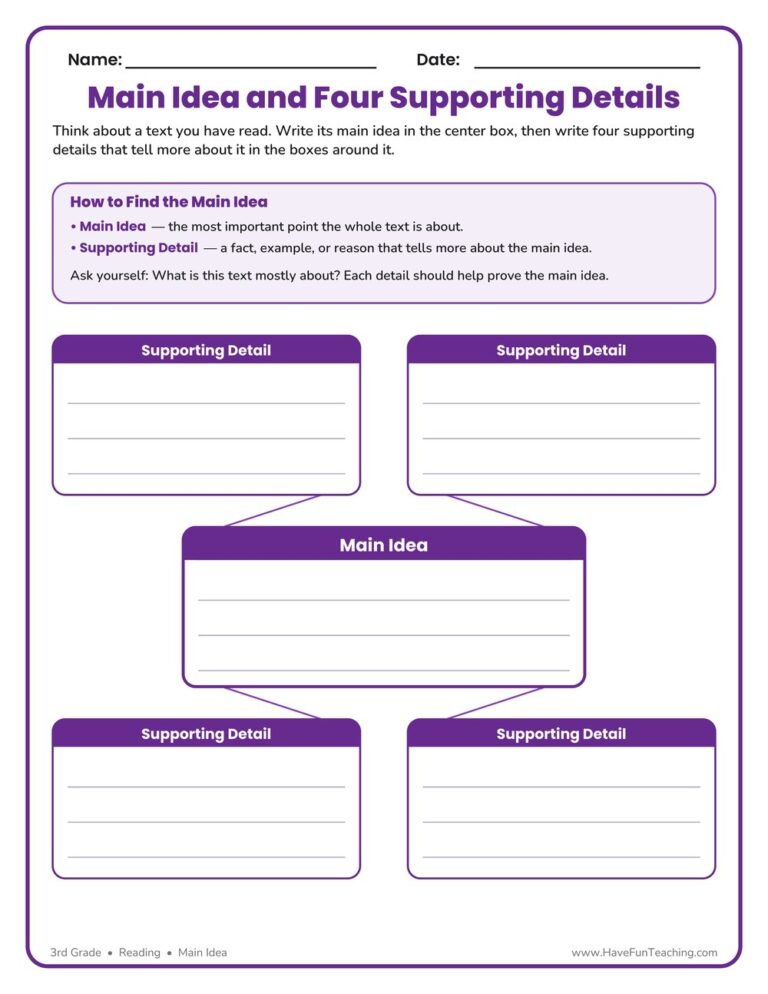
This Main Idea and Four Supporting Details Graphic Organizer Worksheet gives 3rd graders a visual way to record a text’s main idea and the four details that support it. A no-prep, reusable printable that works with any reading passage.
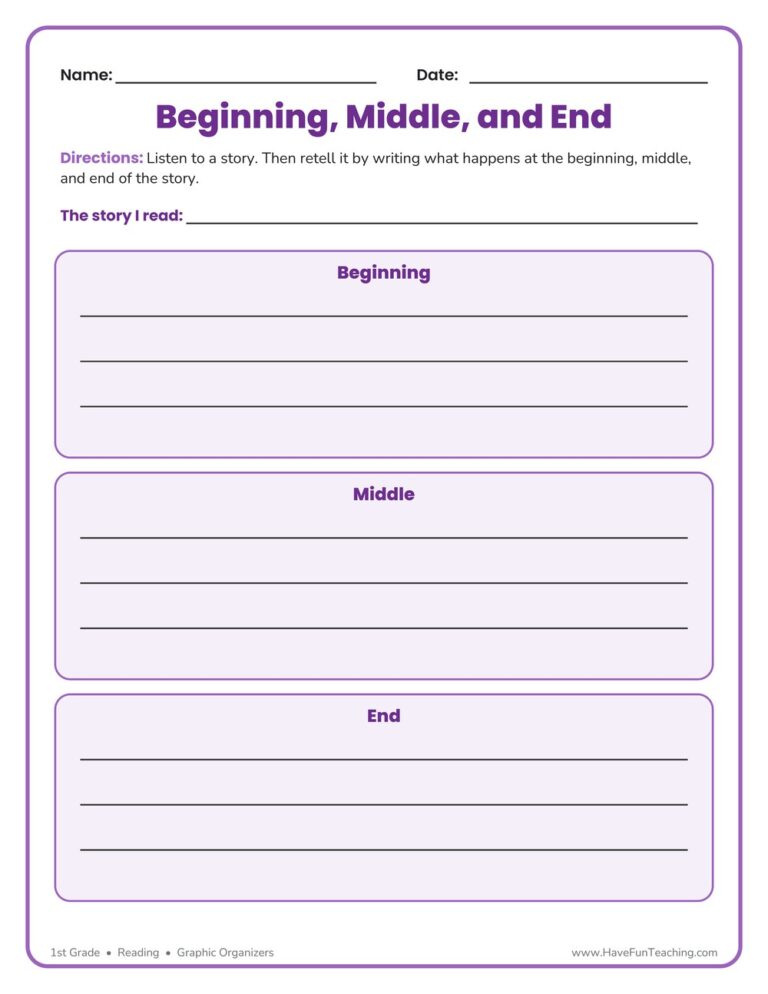
A reusable Beginning, Middle, and End Worksheet that helps 1st graders retell any story in order across three clear sections. Perfect for building sequencing and summarizing skills with every book they read.
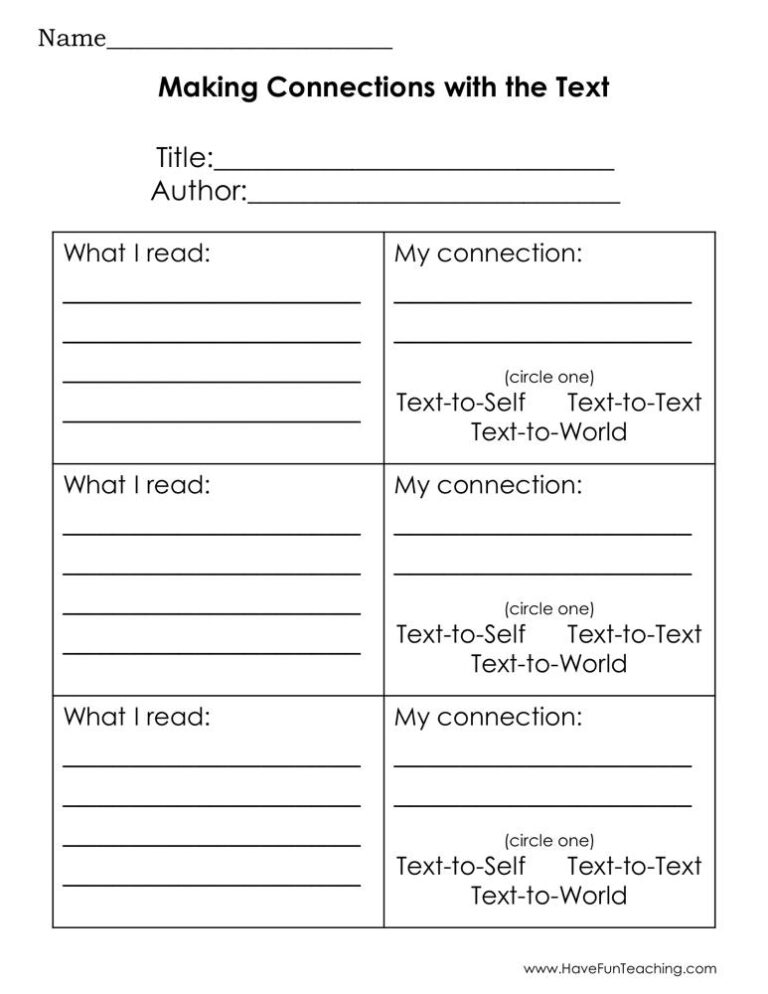
This Making Connections with the Text Graphic Organizer Worksheet gives 3rd Grade readers three places to record what they read, explain the connection they made, and name its kind. Use it with any book for deeper, more thoughtful reading.
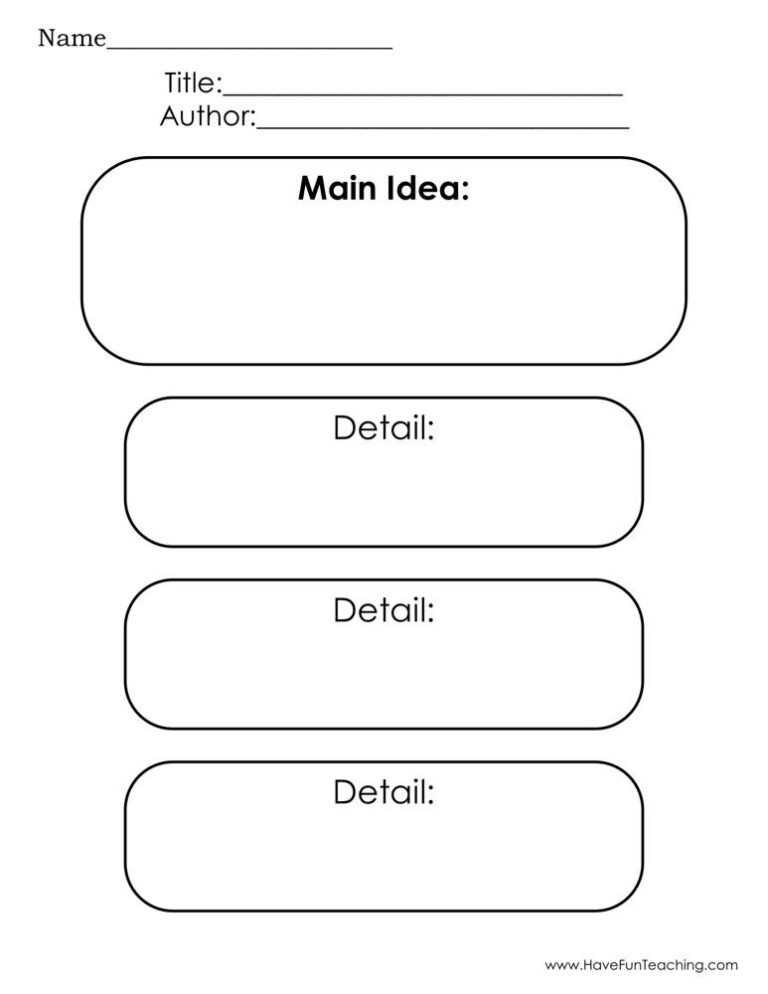
A 3rd grade main idea and three details graphic organizer worksheet that helps students name a text's main idea and back it up with three supporting details. Works with any book or passage for quick, no-prep reading practice.
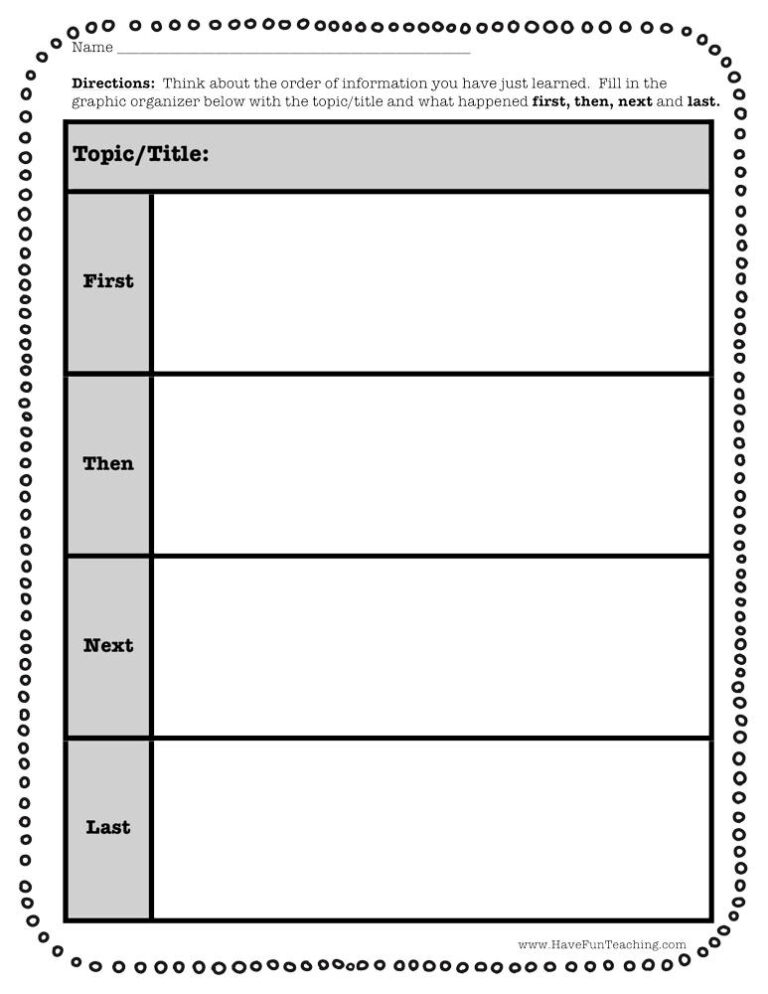
This first next then last graphic organizer worksheet gives 3rd graders four labeled boxes to retell any story or process in order. A flexible, reusable page for stronger sequencing and clearer writing.



