Skip to content
Start My 3 Free Days $0 today · cancel anytime

Beginning Sounds Activities

23 beginning sounds activities. Teacher favorites: Popcorn Blends Activity and Alphabet Match Activity. How teachers use these

Beginning Sounds Activities

23 beginning sounds activities. Teacher favorites: Popcorn Blends Activity and Alphabet Match Activity. How teachers use these

Activity
ActivityKindergartenPopcorn Blends Activity

In this popcorn blends activity, K-2nd Grade children spin a blend, sort 12 picture cards into popcorn boxes and fill in a practice page, with an answer key included for quick checking.

Activity
ActivityPreschoolAlphabet Match Activity

This alphabet match activity has preschool and kindergarten students match 26 picture cards to the letter of their beginning sound, then practice on a worksheet. Answer key included for quick checking.

Activity
ActivityPreschoolConsonant Sounds Activity

Using the Consonant Sounds Activity, students use the ice cream cone letters and scoop picture cards to identify beginning consonant sounds of words.

Activity
ActivityPreschoolBeginning and Ending Sounds Activity

This beginning and ending sounds activity uses 12 picture clip cards and a recording sheet so preschool to 1st grade students find first and last letters. Answer key included.

Activity
ActivityPreschoolAlphabet Picture Matching Activity

This alphabet picture matching activity helps preschool and kindergarten students say each picture name and match it to its beginning letter. Answer key included.

Activity
Activity1st GradePlucking Blends L Blend Activity

This l blend activity has 1st and 2nd grade students match picture cards to word cards and sort words by bl, cl, fl, pl and sl. Answer key included.

Activity
ActivityKindergartenFeeling Bright Great and Proud R Consonant Blends Activity

Using the Feeling Bright Great and Proud R Consonant Blends Activity, students sort the words into the correct blend headings to build their reading fluency skills.

Activity
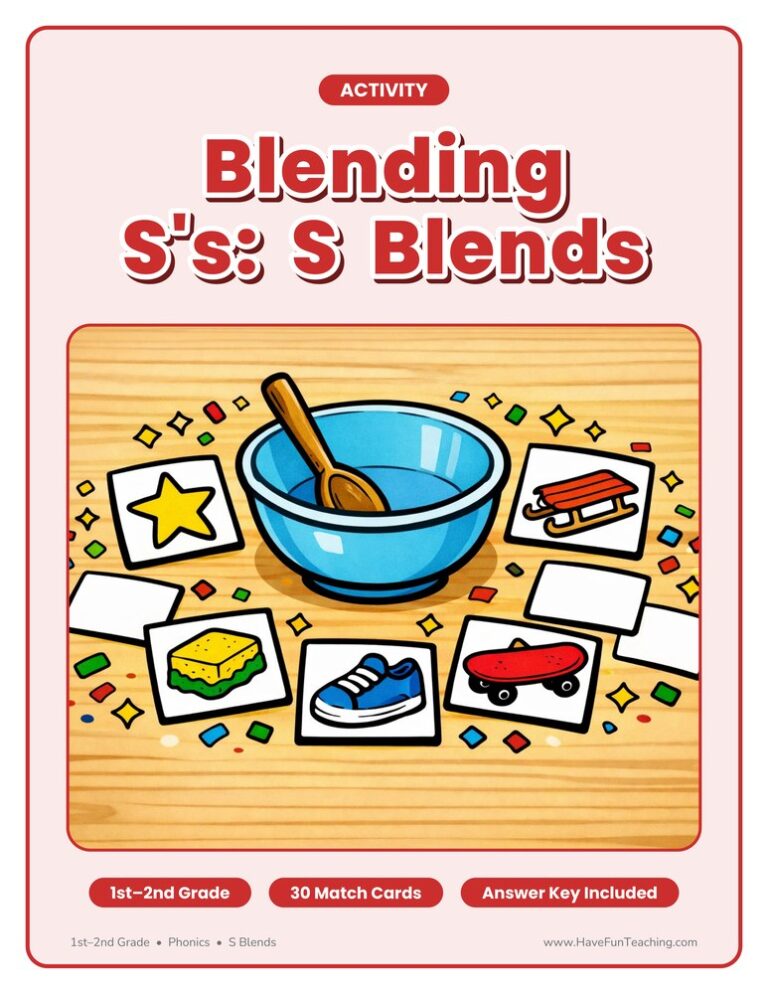
Activity1st GradeBlending S Blends Activity

In this blending s blends activity, 1st and 2nd grade children match 15 picture cards to word cards, then sort the words by sn, sk, sl, st and sp. Answer key included.

Activity
ActivityKindergartenBeginning Consonant Blends Activity

Using the Beginning Consonant Blends Activity, students identify the beginning consonants blends in common words using picture cards.

Activity
ActivityKindergartenConsonant Digraphs CH SH TH WH Activity

In this consonant digraphs ch sh th wh activity, Kindergarten to 3rd Grade students sort 16 picture-word cards by their first sound, with an answer key included for easy checking.

Activity
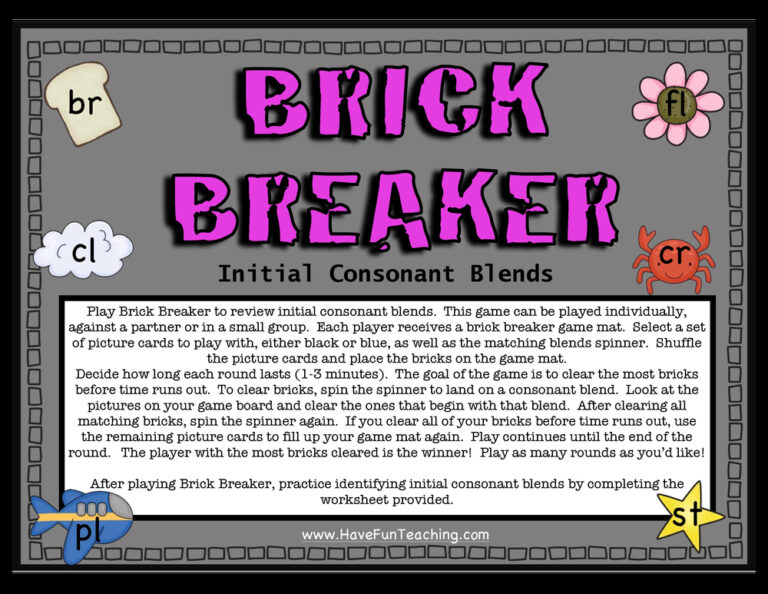
Activity1st GradeBrick Breaker Consonant Blends Activity

Using the Brick Breaker Consonant Blends Activity, students identify the beginning consonants blends in common words using picture cards.

Activity
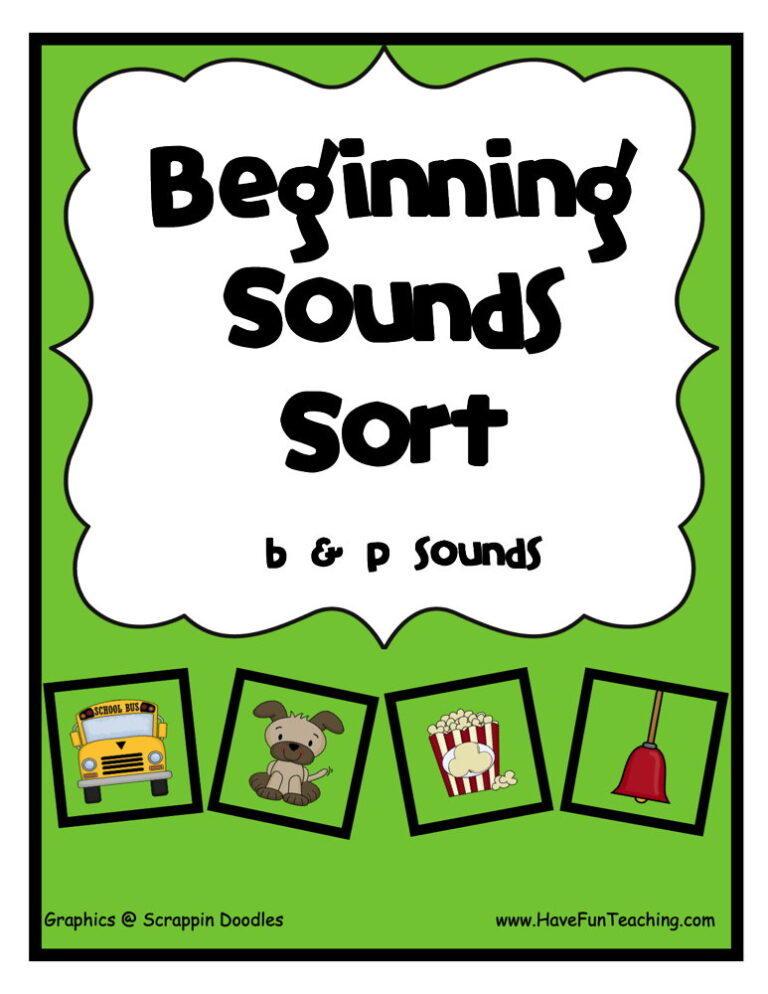
ActivityPreschoolBeginning Sounds B, P Activity

Using the Beginning Sounds B, P Activity, students sort the pictures cards into two beginning sounds categories, B and P.

Activity
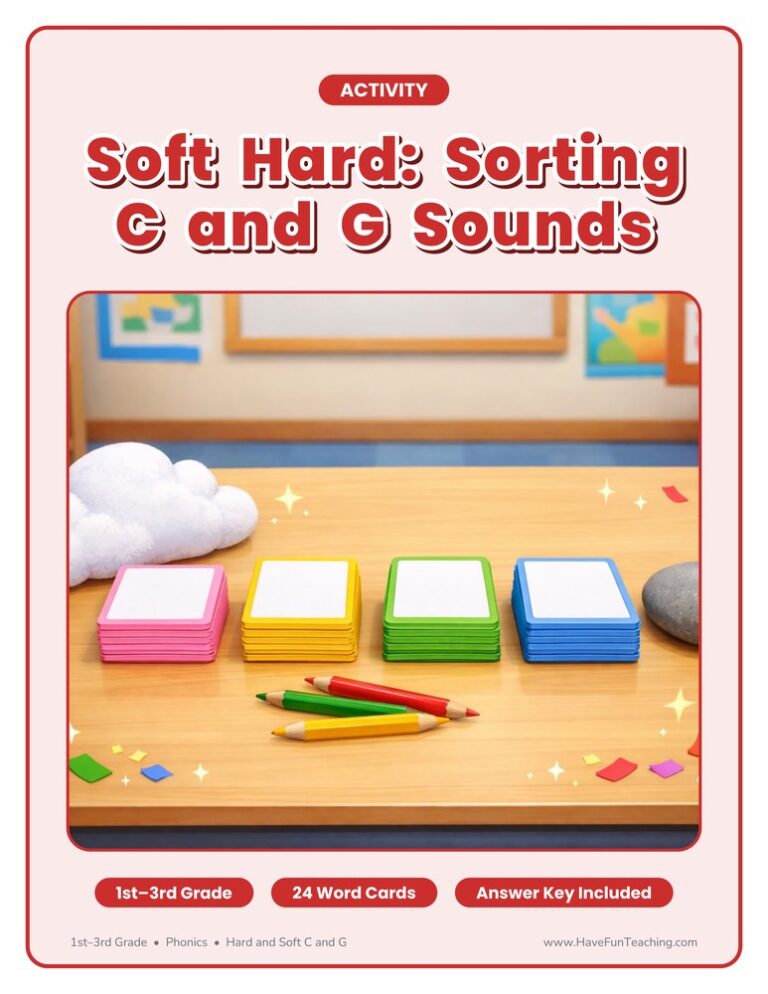
Activity1st GradeHard and Soft C and G Activity

This hard and soft c and g activity helps 1st to 3rd grade students sort words by the sound of c or g using a simple rule. A sound sort sheet, practice page and answer key are included.

Activity
ActivityKindergartenBlends Mini Book Activity

Using the Blends Mini Book Activity, students create mini books about blends to practice using words with beginning blends in sentences.

Activity
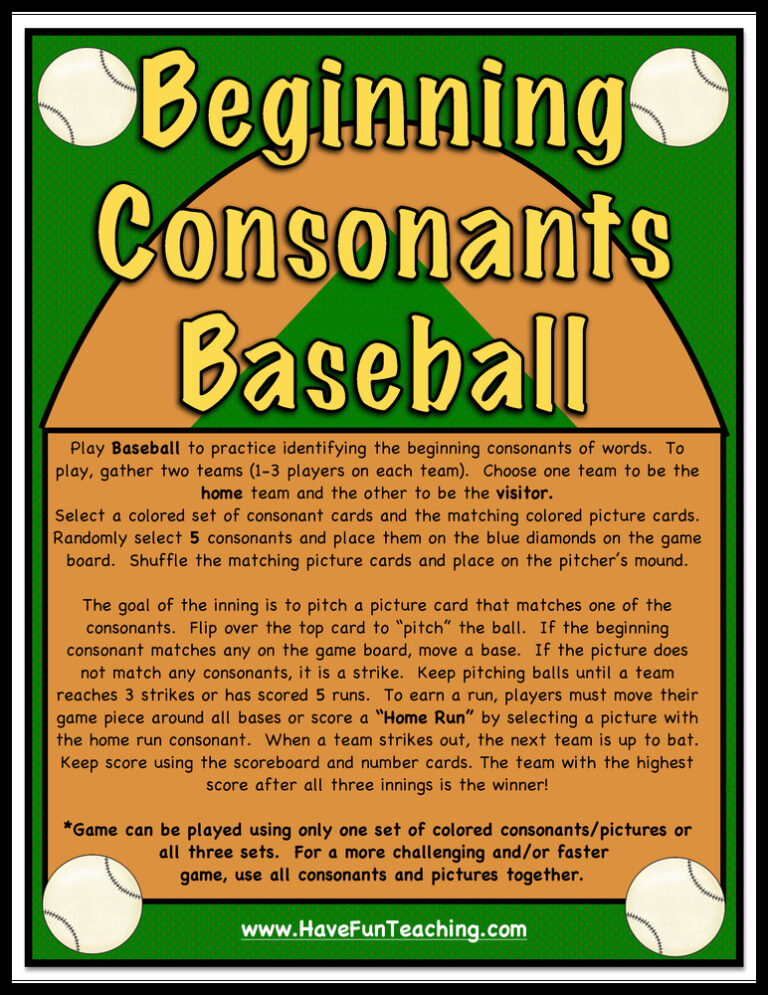
ActivityPreschoolBeginning Consonants Baseball Activity

Using the Beginning Consonants Baseball Activity, students play Baseball to practice identifying the beginning consonants of words.

Activity
Activity1st GradeHard and Soft C G Sounds Activity

This hard and soft c g sounds activity lets 1st to 3rd grade students sort picture cards by the sound c or g makes, with a practice page and answer key included.

Activity
ActivityPreschoolB and P Beginning Sounds Sort Activity

This b and p beginning sounds sort activity has PreK-1st grade students say each picture name and sort it by its first sound. Answer key included.

Activity
ActivityKindergartenLetter Roll Beginning Sounds Activity

Using the Letter Roll Beginning Sounds Activity, students practice brainstorming and writing words that start with various consonants.

Activity
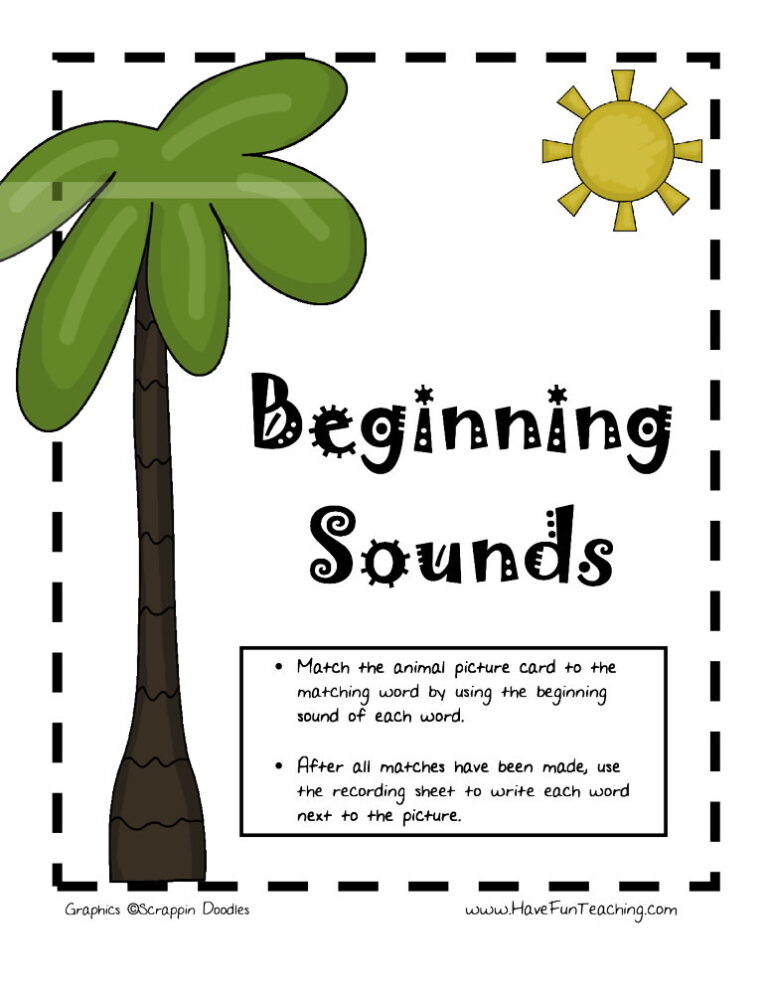
ActivityPreschoolBeginning Sounds Animal Activity

Using the Beginning Sounds Animal Activity, students match animal picture cards to words cards by using the beginning sound of each word.

Activity
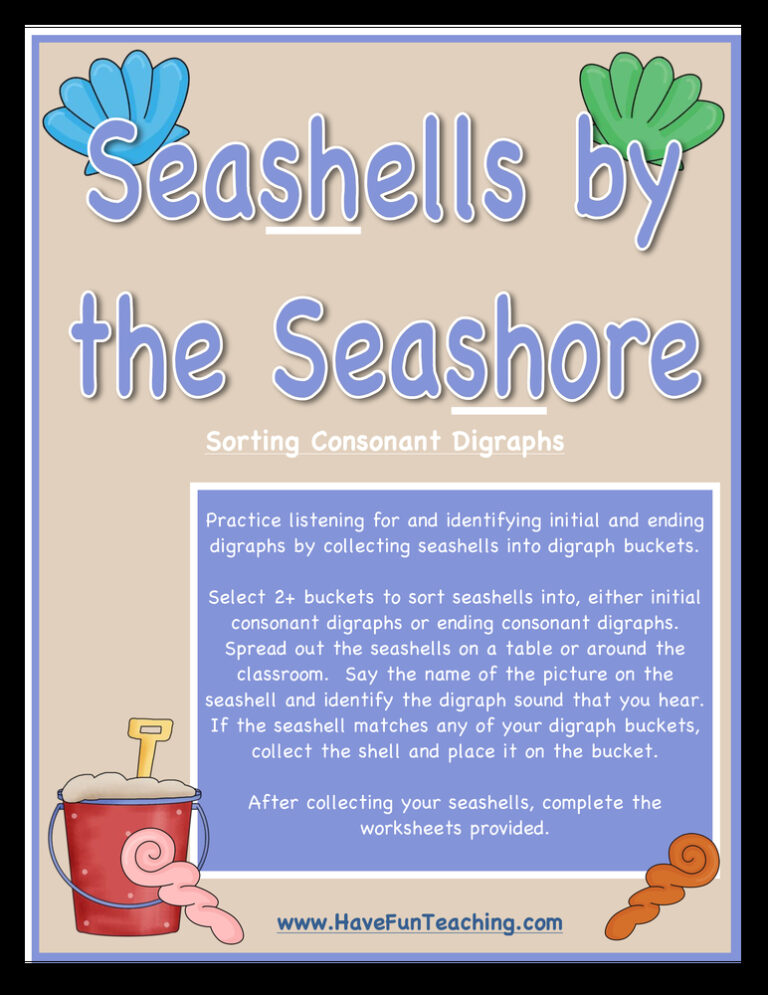
ActivityKindergartenSeashells by the Seashore Consonant Digraphs Activity

Using the Seashells by the Seashore Consonant Digraphs Activity, students practice listening for and identifying initial and ending digraphs by collecting seashells into digraph buckets.

From our teachers' playbook

Ball, bat, banana: hear that first sound?

What do kids learn about beginning sounds?

Beginning sounds are the very first sounds kids hear in words, and they are one of the first steps to reading. Preschoolers and kindergarteners learn to hear that ball, bat and bus all start with /b/, then match each sound to its letter. They sort pictures by first sound, find words that start the same, and say the first sound of their own names. Soon they hear the middle and ending sounds too, and they are ready to blend words like c-a-t. The click comes when a child points to a sign and says, "That starts with my letter!"

Our favorite ways to teach beginning sounds

These moves help little ears catch that very first sound.

One letter, one sound, one game

Focus on one letter sound for a few days. Say it, write it, find it, and finish with a quick letter game where kids tap every picture that starts with that sound. Short, focused rounds build strong sound-letter links.

Why it works: the National Reading Panel found that systematic, explicit phonics teaching clearly improves how children learn to read.
Letter B GameTry it withLetter B GameGamesOpen it →

Sort the pictures

Give kids a pile of picture cards and two or three letter mats. They say each picture name out loud and slide it to the matching letter. Saying the word is the important part, since kids hear the sound in their own voices.

Why it works: children learn more from words and pictures together than from words alone (Mayer, 2009).

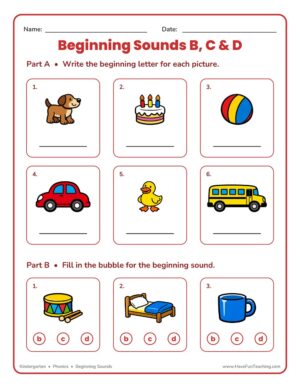
Beginning Sounds B C D Pictures WorksheetTry it withBeginning Sounds B C D Pictures WorksheetWorksheetsOpen it →

Push the sounds into boxes

Draw three boxes and give kids three counters. Say "sun" slowly and push one counter into a box for each sound. Then ask, "What is the first sound?" Elkonin boxes show kids that words are made of separate sounds.

Why it works: kids understand an idea best when they touch it, then draw it, then write it, the order the U.S. Department of Education recommends for elementary math.

Elkonin Box WorksheetTry it withElkonin Box WorksheetWorksheetsOpen it →

What's on this page

Teacher favorites right now: Popcorn Blends Activity, Alphabet Match Activity and Consonant Sounds Activity.

Questions parents and teachers ask about beginning sounds

What age should a child know beginning sounds?

Many children start hearing beginning sounds around age 4, and most kindergarteners can name the first sound of a word by the middle of the year. Every child moves at their own pace.

How do I teach beginning sounds at home?

Play "I spy something that starts with /m/." Say the sound, not the letter name. You can also sort toys by their first sound or sing silly songs that repeat one sound.

Should I teach letter names or letter sounds first?

Most teachers teach them together, but the sound is what helps kids read. When you show a letter, say both: "This is B, and it says /b/."

What comes after beginning sounds?

After beginning sounds, kids learn ending sounds, then middle vowel sounds. Once they can hear all three, they are ready to blend and read simple CVC words like "dog" and "map."